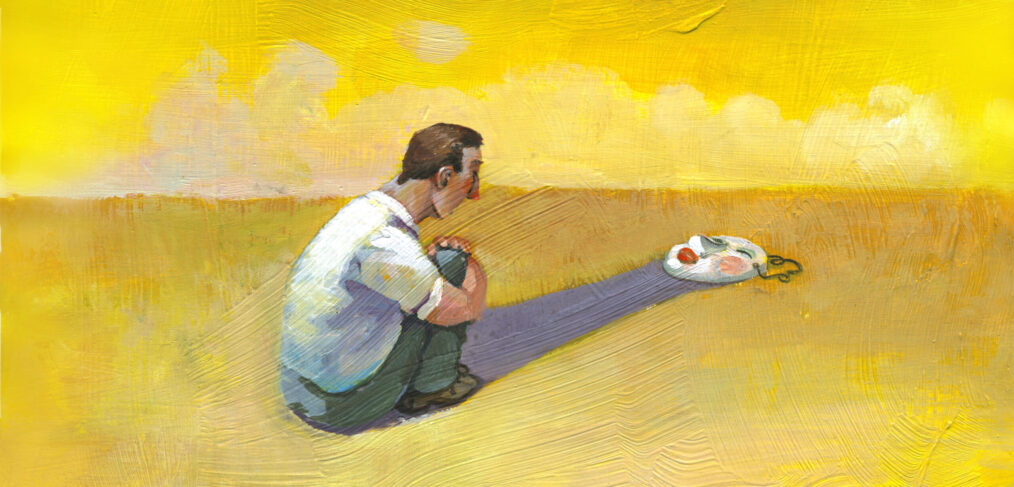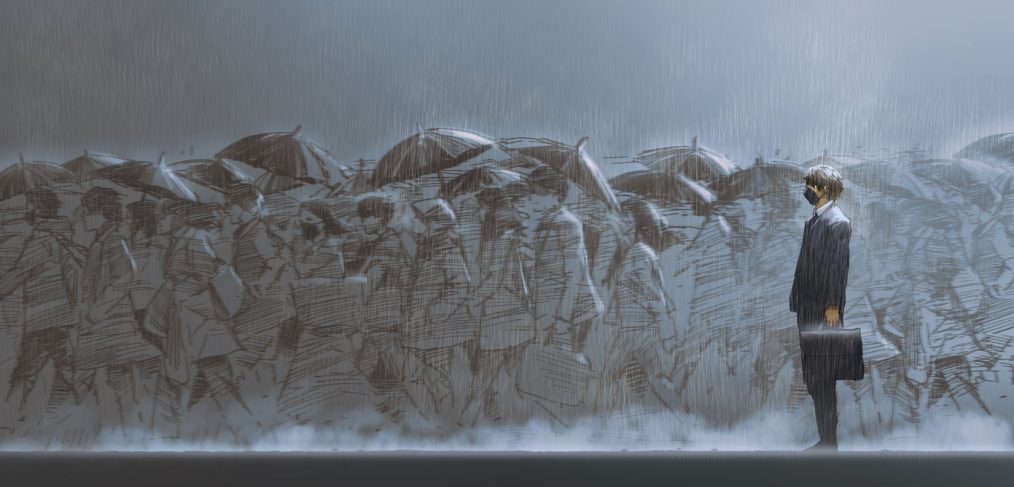
Some people lead solitary lives—some by choice, others not. Most of us desire a certain level of human contact in our lives. When we don’t have it, we experience a growing yearning, which can become quite urgent if our solitude goes on for too long. The forced solitude experienced by many during the pandemic[1] is resulting in many people feeling this sense of urgency and with no outlet. Days continue to stream by. They may have a periodic video call for work or with family, but ultimately, they’re alone, and they’ve been alone. When we’re faced with solitude, we look for opportunities for any human connection. A quick chat with a server at a restaurant, passing the time with a fellow shopper while standing in line, or some small talk in passing with a neighbor can all be lifelines when we’re feeling truly alone. But we can also feel overwhelmed when we are faced with too much interaction—we feel a need for some solitude. Like anything else in life, balance is key.
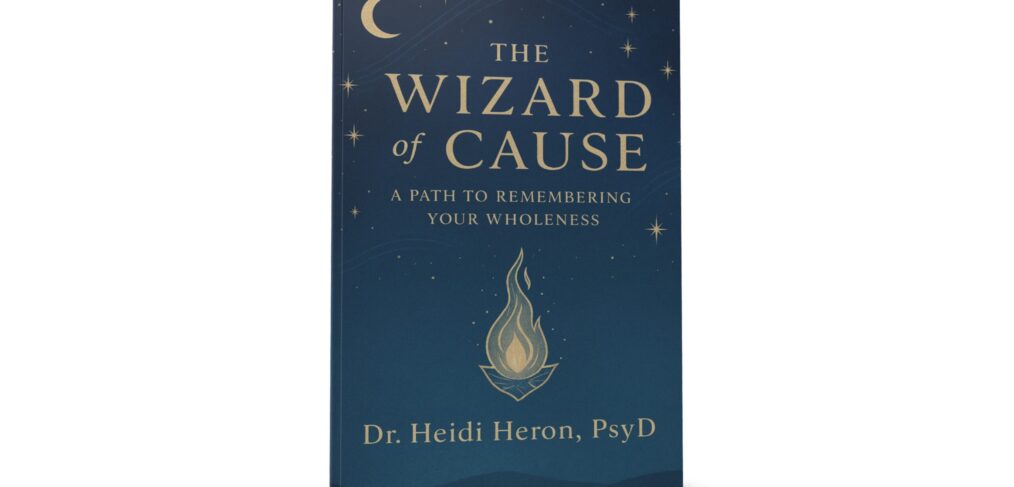
If I didn’t know anything about The Wizard of Cause, and I had only read the poem in the preface, A Path to Remembering Your Wholeness, I would already be hooked. What a beautiful and enticing way to introduce the book and quietly signal its themes. The introduction of the main character, Avery, draws the […]
People have a lot of advice about friends these days. The old adage, “Make new friends and keep the old, one is silver, and the other is gold,” is perfectly sound, but it assumes people don’t evolve or grow apart. You may also have friends of convenience or circumstance, and you might question why they are still your friends. Some might advise you not to spend any time with people who don’t provide value or happiness in return. But of course, it’s not that simple.
You are receiving regular communications… from yourself. Many of the messages are ignored, like so many unread emails in your inbox, but they are all delivered. The messages come from your brain, your body, your energy, and your spirit. Everyone notices the big ones, such as injuries, heartache, or fatigue, but there are so many more that may go completely unnoticed. The nuances of your body, mind, and spirit are there for you, and you only need to pay attention and become aware of them.
I’d never given free will much thought. I make choices all the time, and I’ve felt strongly that those choices are mine. But The Skeptic’s Paradox gave me a lot to think about. As soon as I began reading it, I knew it was going to be right up my alley for exploring what it means to live a meaningful life. Dario Tonelli doesn’t write from a lofty academic tower; he writes from a place of curiosity, of wrestling with the elements of life that we all deal with—freedom, choice, uncertainty—and what it means to live a meaningful life in a world where certainty is never guaranteed.