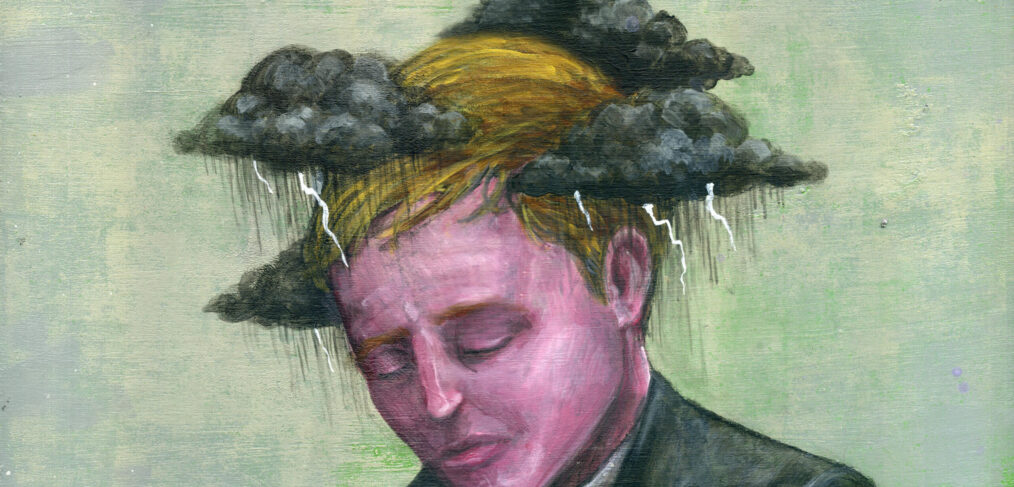
Do you believe in the inherent goodness of human nature? If your only contact with people were face-to-face in calm, nonstressful situations, you might conclude that people are generally friendly, polite, and generous. But when certain social dynamics enter the picture, you might come to a very different conclusion. Under particular circumstances, people can seem to lose their empathy, emotional intelligence, and ability to regulate themselves. They lash out. They become harsh, insulting, or even cruel. Why does this happen? How does a person who is normally kind and polite suddenly act like a bully?
When is a setback not a disaster? Those of us who have been fortunate enough to build good lives often begin to view certain elements of those lives as essential to our happiness. If we lose one of them, even temporarily, we may feel as though everything has fallen apart. We may believe we have to start over, when all we really need is a course correction. But if we move through life expecting setbacks and prepare for them as much as possible, our disappointment may be softened. We may even discover opportunities we would not have found otherwise. Disappointments will still come, but they may seem less overwhelming when we place them within the larger context of our lives.
Stress is, well, stressful. Everyone has it, but not everyone has it all the time. Stress, ironically, is a healthy thing, or it used to be. In the past, it kicked our fight-or-flight system into gear when we needed it. But modern humans tend toward a constant state of stress because we face persistent pressures, such as job insecurity, economic uncertainty, and political instability. This tendency keeps stress responses running constantly on high for many. So, what can we do about it? Is there a way to mitigate stress and curtail its effects on us?
There’s a fine line between confidence and arrogance, closed-mindedness, and dogmatism. Confidence is generally considered to be a positive attribute, but it’s a slippery slope toward more closed-minded attributes. Confidence is an important attribute, but you can’t just turn it on; it has to be developed over time through experience. Some seem to have confidence from the moment they can walk and talk, but even those with natural confidence have to test that confidence through their experiences and interactions. The key is to learn what you’re capable of, what your strengths are, and how to be consistent in your behavior.
Bonds that develop between people are often strong and seemingly unshakable. We might have our ups and downs, but we are devoted to each other and committed to long-lasting friendships. But inevitably, situations arise in which you’re called to support one friend over another. You have to show where your loyalties lie, and often, the choice is far from clear. You have to search deep within and decide which choice is true to your values and vision and, to the extent possible, honors your relationships.