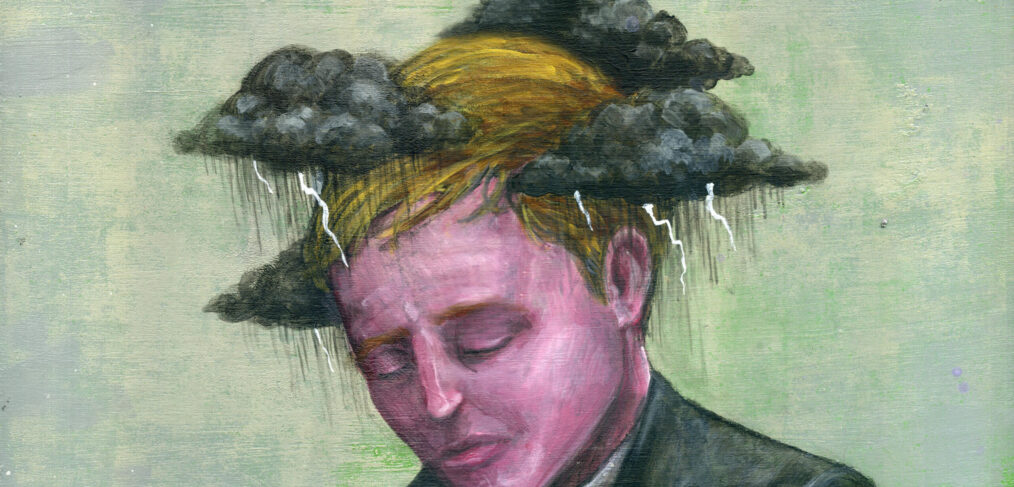
Stress—How to Avoid it and How to Cope when You Can’t
Stress is, well, stressful. Everyone has it, but not everyone has it all the time. Stress, ironically, is a healthy thing, or it used to be. In the past, it kicked our fight-or-flight system into gear when we needed it. But modern humans tend toward a constant state of stress because we face persistent pressures, such as job insecurity, economic uncertainty, and political instability. This tendency keeps stress responses running constantly on high for many. So, what can we do about it? Is there a way to mitigate stress and curtail its effects on us?
How is anxiety related to stress?
Stress and anxiety are closely related responses to pressure or uncertainty, but they differ in how they arise and persist. Stress is the body and mind’s reaction to a specific challenge or demand—something happening in the moment that requires attention or action—while anxiety is a more sustained feeling of worry, unease, or anticipation, often lingering even without a clear or immediate cause.
Both can sharpen awareness and prepare us to respond, but when prolonged or intense, they can become overwhelming, affecting our thoughts, emotions, and physical well-being. Together, they reflect the tension between what we’re experiencing and how secure or capable we feel in navigating it.
Extended stress and anxiety
Early humans did not have a stress-free life by any means. They faced regular pressure to find food, avoid predators, and survive harsh conditions. They faced brief, acute physical threats; however, they did not have the constant, complex system of challenges and demands that humans in modern times face. As dire as their lives were, they were also simpler.
When faced with constant stress, the body and mind respond as they did in our ancestors’ time, but rather than subsiding, the reaction can remain constant because the threat never stops. This permanent stress and anxiety condition results in several harmful effects. These include the following:
- Physical Effects:
- Weight Gain: Fat storage, particularly around the face, neck, and abdomen.
- High Blood Sugar & Pressure: Spikes blood sugar levels and increases the risk of Type 2 diabetes and hypertension.
- Weakened Immune System: Leaves you more susceptible to infections and illnesses.
- Muscle & Bone Weakness: Can lead to muscle loss and conditions like osteoporosis.
- Mental Effects:
- Cognitive Issues: Causes “brain fog,” memory issues, and difficulty concentrating.
- Mood Disturbances: Leads to irritability and depression.
- Sleep Disturbances: Contribute to insomnia and disrupt your natural circadian rhythm.
My recent bout with extended stress
I, like the vast majority of people, have had prolonged periods of stress in my life. I am aware of this and take steps to mitigate the effects of that stress. This month, we have been planning a big party to celebrate a family member’s milestone birthday. We will be having many houseguests and visitors from out of town. We’ve had to address lodging, food, tents, tables, and logistics, and, perhaps most importantly, navigate the various visions and ideas that different people have for the party. Planning a party of this magnitude goes on for months, and while you might legitimately argue that it’s just a party. Constantly delving into the details and tasks can be just as stressful as any work-related challenge that I face. We’ve had to acknowledge and address the stress and be intentional about how we communicate and handle it.
How to address stressful situations
Learning what causes or triggers stress and what coping techniques work for you can help reduce your anxiety and improve your daily life. It may take trial and error to discover what works best for you. Here are some activities you can try when you start to feel overwhelmed:
- Keep a journal. A big part of processing stress is identifying its cause(s) and understanding its effects. Thinking through these while writing them down can go a long way toward minimizing stress and alleviating its effects.
- Work on mindfulness. Mindfulness can help you live in the moment and curb worry about past and future events.
- Exercise, and make sure you are eating healthy, regular meals. Proper exercise and nutrition can help manage hormonal responses and work through feelings of stress.
- Stick to a sleep routine, and make sure you are getting enough sleep. This will help with mood regulation and improved cognitive function.
- Identify and challenge your negative and unhelpful thoughts. The more you focus on negative thoughts, the more your mind will believe they’re true.
- Reach out to your friends or family members who help you cope positively.
Stress seems omnipresent in the modern world, but its prevalence does not mean it must be accepted. It’s important to recognize and acknowledge the stressful aspects of your life and work to minimize those elements and mitigate their impact.
Artwork by Fanatic Studio
~~~
The work and research I put into Blocks of Life are entirely reader-supported. If you enjoy the content I provide you can make a one-time donation here at Buy Me a Coffee, if you are inclined. I appreciate all of you who follow this page, and the community we’ve developed.