People have strange relationships with time. Generally, we perceive time as something we either don’t have enough of or have too much of. How often do you have a day when what you do lines up exactly with the time you have? Even those skilled in time management may be able to align their available time with a specific set of activities, but they may still have a long to-do list that never makes it into the daily schedule. For many people, the workweek is a race against available time. But in certain circumstances, or at a certain age, the balance may shift the other way. You may feel the hours stretching out in front of you with no meaningful way to fill them. Is it possible to influence your perception of time passing?
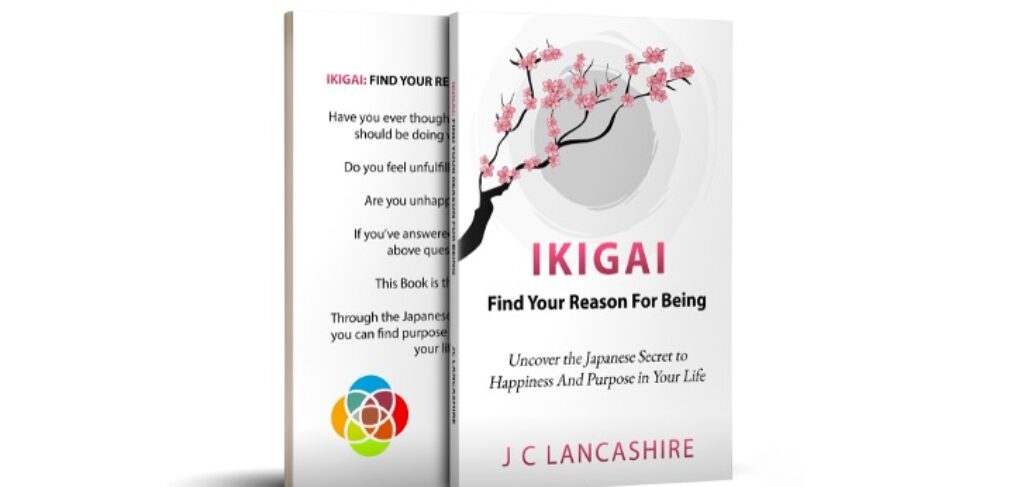
Fulfillment and finding one’s purpose in life are common themes in this blog and in my own life. When I saw Ikigai—Find Your Reason for Being: Uncover the Japanese Secret to Happiness and Purpose in Your Life by John Lancashire, I was immediately intrigued and wanted to know more about the concept, which has been part of Japanese culture for centuries.
Focus on the good in your life. When things are going smoothly, it is easy to focus on what is good. You may still have small headaches and minor setbacks, but overall, life feels steady and positive. It is when things go south that staying positive becomes both more difficult and more important. Focusing only on the negative aspects of your life can become a slippery slope. It may lead to self-pity, catastrophizing, and prioritizing the wrong things. Developing the habit of keeping the good things in your life—both past and future—at the forefront of your thoughts can help keep negativity at bay and allow you to stay focused on the path toward your goals.
Do you believe in the inherent goodness of human nature? If your only contact with people were face-to-face in calm, nonstressful situations, you might conclude that people are generally friendly, polite, and generous. But when certain social dynamics enter the picture, you might come to a very different conclusion. Under particular circumstances, people can seem to lose their empathy, emotional intelligence, and ability to regulate themselves. They lash out. They become harsh, insulting, or even cruel. Why does this happen? How does a person who is normally kind and polite suddenly act like a bully?
When is a setback not a disaster? Those of us who have been fortunate enough to build good lives often begin to view certain elements of those lives as essential to our happiness. If we lose one of them, even temporarily, we may feel as though everything has fallen apart. We may believe we have to start over, when all we really need is a course correction. But if we move through life expecting setbacks and prepare for them as much as possible, our disappointment may be softened. We may even discover opportunities we would not have found otherwise. Disappointments will still come, but they may seem less overwhelming when we place them within the larger context of our lives.