People Balance—Solitude and the Need for Human Connection
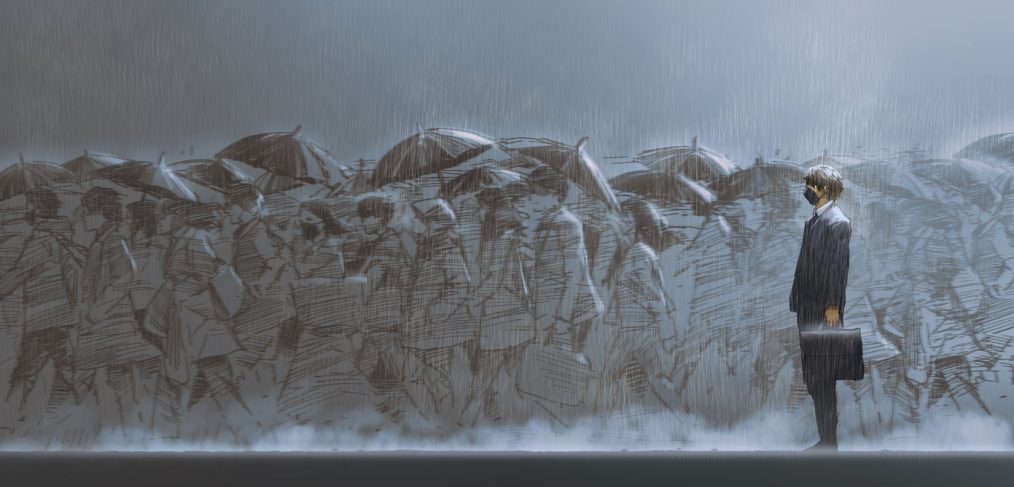
Some people lead solitary lives—some by choice, others not. Most of us desire a certain level of human contact in our lives. When we don’t have it, we experience a growing yearning that can become quite urgent if our solitude goes on too long. The forced solitude experienced by many during the pandemic led to a sense of urgency and left people with no outlet. Days continued to stream by. They may have a periodic video call for work or with family, but ultimately, they were alone, and they’d been alone. When faced with solitude, people look for opportunities for any human connection. A quick chat with a server at a restaurant, passing the time with a fellow shopper while standing in line, or some small talk in passing with a neighbor can all be lifelines when you’re feeling truly alone. But you can also feel overwhelmed by too much interaction—you feel the need for some solitude. Like anything else in life, balance is key.
Levels of solitude
Most people experience periods of solitude and periods when they’re almost never alone. Some people are more comfortable with one extreme or the other, but most feel the need to move away from these extremes. I’ve had times in my life where I’m at work with people all day, then coaching almost every evening, and time with friends and neighbors on the weekends. As an introvert, when I’m faced with this scenario, I eventually have an urgent need for some extended solitude and look for opportunities to be alone. People who know me well know I need time alone, so they’re not offended.
If you think about scenarios that aren’t on the extremes, you can identify your ideal balance of people and solitude and work toward achieving that balance in your day-to-day life. You’ll always have phases in your life when your interactions with people are beyond your control, but if you’re aware of that and look for ways to return to your ideal balance, you’ll achieve it more often than not. Periods away from your ideal balance can be good. They can teach you about yourself and help you develop tools to cope with a level of social interaction you’re not comfortable with.
The pandemic and solitude
The pandemic affected most of us in terms of how much time we spent with people. Some examples include elderly people who were separated from their families and friends, single people who would love to have a significant other but didn’t have a way to explore that, and those with children who never had any time to themselves. Some were forced to be almost constantly alone, while others had no choice but to spend time with people nonstop. You can be reactive to this, becoming anxious, depressed, irritable, or overwhelmed, without acknowledging its impact on your people balance, or you can decide to be intentional about your awareness of your people time and how it affects you. A lot of information is available on how isolation or forced time with people can affect you, such as this article from Medical News Today on the effects of solitude and this article from the Cleveland Clinic on the lack of alone time. Resources like these, along with some focused reflection on your people balance and emotional state, help you cope when you have little control over your time with people, and offer strategies for changing the amount of people time when you can.
The benefits of unanticipated changes in our time with people
Part of any challenge is looking for the bright side of the situation and finding ways to learn and grow. When you experience either forced solitude or an overabundance of time with people, it’s a great opportunity to examine your emotional reactions and think deeply about where they are coming from—what specifically are the pressure points that set off your emotional reactions? You may have an active emotional path that is usually under the surface and beneath your level of awareness. If you focus on that emotional landscape as it evolves, you can learn to predict when more extreme emotions will surface. You can also work to identify practices and tools that can help you cope with unanticipated changes in your social life, such as resources like those mentioned above. You can look for ways to counteract the changes you’re experiencing, such as seeking out social opportunities (e.g., clubs, activities, volunteering) when you’re isolated, and working with your families to build in some alone time if you’re feeling socially overwhelmed.
Finding a balance between company and solitude
In the course of your life, you can seek out the level of social interaction you want and need at the time. Sometimes you’ll be successful; other times, not. But you should always look for that balance. Ideally, you’ll have regular intervals of solitude and company—you won’t have to think about big changes needed to get to a proper balance. But regardless of where you are in relation to where you want to be, awareness is key. You should know your appropriate balance.
You should also be aware of your desire for social interaction that may drive you toward a level of social interaction that isn’t healthy. An ideal balance doesn’t mean that you’re comfortable all the time. A certain amount of discomfort with your social situation is not just expected but also necessary. You should never treat discomfort as a problem with our people balance. Instead, you should treat it as an opportunity to grow.
~~~
The work and research I put into Blocks of Life are entirely reader-supported. If you enjoy the content I provide you can make a one-time donation here at Buy Me a Coffee, if you are inclined. I appreciate all of you who follow this page, and the community we’ve developed.