When Regret Becomes Fear
All of us have regrets—cringeworthy moments that we look back on with mortification, shame, and perhaps a healthy dose of self-loathing. But making mistakes is part of learning, growing, and becoming better. Before you allow yourself to become consumed by regret, consider that your mistake was likely a bigger deal in your mind than it was in anyone else’s. You may also have gained something from the experience—insight, wisdom, and, hopefully, newfound empathy—that you wouldn’t have gained otherwise.
The biggest mistake you can make is becoming afraid to live your life as your head and heart guide you.
Life and Meaning
Tomorrow, and tomorrow, and tomorrow,
Creeps in this petty pace from day to day
To the last syllable of recorded time,
And all our yesterdays have lighted fools
The way to dusty death. Out, out, brief candle!
Life’s but a walking shadow, a poor player
That struts and frets his hour upon the stage
And then is heard no more. It is a tale
Told by an idiot, full of sound and fury,
Signifying nothing.
—William Shakespeare, Macbeth, Act V, Scene 5
When your life is overshadowed by regret, mortification, and shame, it can begin to feel meaningless. The soliloquy from Macbeth above comes just after Lady Macbeth’s death. It explores the futility of time, the brevity of life, and nihilism—the belief that life lacks inherent meaning.
When you revisit a past experience that overwhelms you with remorse and shame, it can be difficult to find the bright side and rediscover meaning. But ironically, these very experiences can help us discover meaning. With the perspective and insights gained from our mistakes, we can better understand what matters to us, what we want to change, and how we want to live. Our path becomes clearer.
Fear of Life
One of the most damaging consequences of regret is developing a fear of living. Painful experiences can make us tentative about life—afraid of making similar mistakes, making things worse, or further damaging relationships.
These feelings often go hand in hand with other fears, including:
- Fear of missing out. Those who retreat from life may experience anxiety about what they’re missing. They may see others enjoying happy, fulfilling experiences and lament their own hesitancy or inability to participate.
- Fear of falling short. Someone who has retreated from life may still envision a future filled with possibilities. But rather than pursuing those possibilities, they may become bitter about the life they might have had instead of embracing the life they can still create.
- Fear of disruption. After a painful mistake, you may develop a broader fear of anything that threatens your security, challenges your confidence, or disrupts your life.
Ironically, our efforts to protect ourselves from repeating past mistakes can prevent us from experiencing the very things that make life worthwhile.
A Life Misunderstood
With the benefit of hindsight, we can often identify mistakes and wrong turns. We can see what we might have done differently and imagine how things could have turned out. But hindsight alone doesn’t lead to growth. We must learn from the consequences of our actions and apply those lessons to the choices we make in the future.
The key is learning. Regret, self-recrimination, and shame, when allowed to dominate our thoughts, can interfere with that process. The best approach is to revisit the events leading up to a mistake honestly and without harsh judgment.
How did you feel? Were anger, frustration, or desperation contributing factors? What were you thinking? Did you rationalize your words or actions? There may be many reasons you behaved as you did, and understanding those reasons is essential to learning from the experience.
On my birthdays, I try to look back on the year and reflect on my milestones, my progress toward goals, and my significant experiences. But I also revisit experiences I regret. Ideally, hindsight allows me to learn from those mistakes and move forward with greater wisdom. Periodically, however, fear comes into play.
Fear can magnify the memory of our missteps, casting them in a misleading light and allowing yesterday’s mistakes to constrain tomorrow’s possibilities. It can overshadow the good in our lives and distort our understanding of who we are and what we’ve accomplished. Rather than seeing a life filled with meaning, growth, and possibility, we may see only the mistakes we wish we could undo.
Fear is part of life, and a healthy fear of genuine dangers can protect us. But when fear is left unchecked, it can limit our experiences and diminish the meaning and fulfillment we might otherwise find.
The past should inform the life we live, not make us afraid to live it.
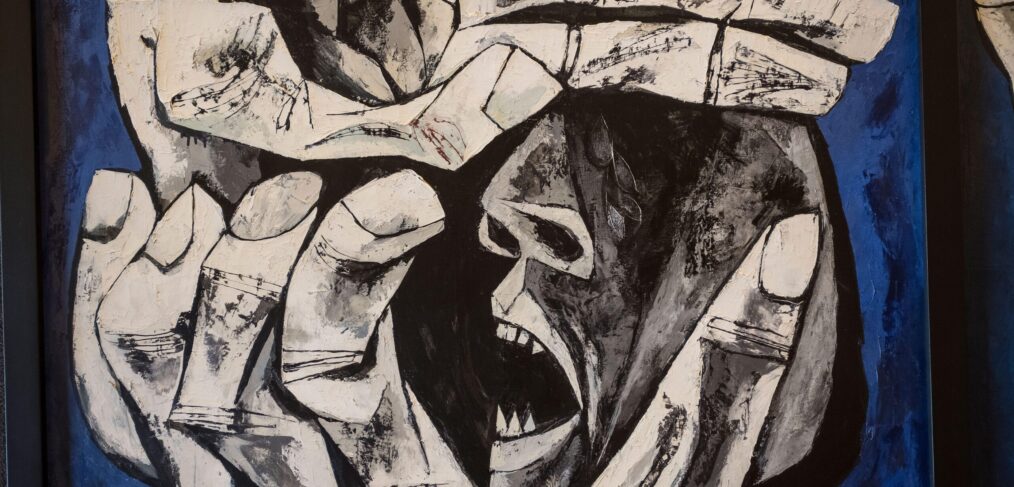
Artwork by Oswaldo Guayasamín
~~~
The work and research I put into this blog are entirely reader-supported. If you enjoy the content I provide and are not ready to become a paid subscriber, you can simply make a one-time donation here at Buy Me a Coffee, if you are inclined. I appreciate all of you who follow this page, and the community we’ve developed.