There’s a fine line between confidence and arrogance, closed-mindedness, and dogmatism. Confidence is generally considered to be a positive attribute, but it’s a slippery slope toward more closed-minded attributes. Confidence is an important attribute, but you can’t just turn it on; it has to be developed over time through experience. Some seem to have confidence from the moment they can walk and talk, but even those with natural confidence have to test that confidence through their experiences and interactions. The key is to learn what you’re capable of, what your strengths are, and how to be consistent in your behavior.
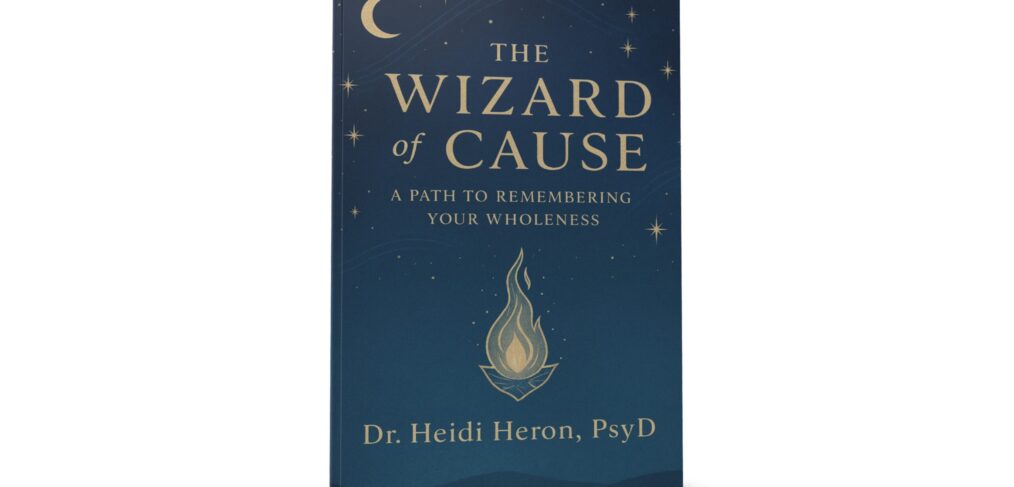
If I didn’t know anything about The Wizard of Cause, and I had only read the poem in the preface, A Path to Remembering Your Wholeness, I would already be hooked. What a beautiful and enticing way to introduce the book and quietly signal its themes. The introduction of the main character, Avery, draws the […]
You are receiving regular communications… from yourself. Many of the messages are ignored, like so many unread emails in your inbox, but they are all delivered. The messages come from your brain, your body, your energy, and your spirit. Everyone notices the big ones, such as injuries, heartache, or fatigue, but there are so many more that may go completely unnoticed. The nuances of your body, mind, and spirit are there for you, and you only need to pay attention and become aware of them.
Your life can take twists and turns, and no two days are the same. But at the end of the day, you are still just you, right? Yes and no. Each of us has personas we adopt depending on the context. In a professional setting, you might be more serious and no-nonsense. With your kids, you might adopt a supportive, empathetic personality. When you’re with people you love, you become more attentive and generous. But ultimately, deep down, there’s the version of you in each of these personas—and getting to know that core self is a key to living a genuine life.
I’d never given free will much thought. I make choices all the time, and I’ve felt strongly that those choices are mine. But The Skeptic’s Paradox gave me a lot to think about. As soon as I began reading it, I knew it was going to be right up my alley for exploring what it means to live a meaningful life. Dario Tonelli doesn’t write from a lofty academic tower; he writes from a place of curiosity, of wrestling with the elements of life that we all deal with—freedom, choice, uncertainty—and what it means to live a meaningful life in a world where certainty is never guaranteed.