Reason in an Unreasonable Age
Be reasonable!
That phrase, often patronizing or pleading, carries a wealth of meaning that goes far beyond a simple call for logic or rationality.
There is a certain comfort in the words reason and reasonable. They suggest cooler heads, emotional restraint, and calm. They can also point toward a deliberate, thoughtful approach to problem-solving.
In these uncertain times, reason is sorely needed to counter the impulsive, inflammatory words and actions that seem to occur with disturbing regularity.
But what does it actually mean to lean into reason?
The Age of Reason
The current trend away from reason in the United States and elsewhere is not, by a long shot, the first period in human history when people have turned away from science and rational thought. However, the current moment is one in which reason must compete openly with emotion, religion, identity, and allegiance as sources of truth and authority.
During the Age of Enlightenment, sometimes called the Age of Reason, European and American thinkers increasingly emphasized reason, evidence, scientific inquiry, individual judgment, and skepticism toward inherited authority. This period occurred primarily during the late seventeenth and eighteenth centuries.
Several characteristics came to define the period:
- Confidence in individual judgment. People increasingly examined claims rather than accepting them simply because tradition, monarchs, churches, or ancient authorities endorsed them.
- Empiricism and scientific inquiry. Observation, experimentation, and evidence became increasingly important ways of establishing knowledge.
- Belief in human progress. Education, science, rational institutions, and political reform were seen as ways of improving both individual lives and society.
To Reason or Not to Reason
Reason is also a verb. It’s something we can do when we face a challenge, encounter uncertainty, or need to solve a problem. But reasoning is broader than just thinking.
When we reason, we connect facts and ideas, weigh possibilities, consider causes and consequences, and draw conclusions. When we arrive at an answer through reason, it’s not only something we observed or felt. We reach it through a disciplined chain of thought.
Reason can also mean working something out: “She reasoned through the problem.” In that sense, it suggests a deliberate process of examining information rather than reacting immediately.
To reason can also mean to persuade through rational discussion, as in “They tried to reason with him.” Here, reasoning involves offering explanations, evidence, or arguments in the hope that another person will reconsider a position.
In that sense, reasoning is not simply defending what we already believe. At its best, it means thinking in a disciplined way that allows evidence to shape the conclusion.
The Voice of Reason
When we say “the voice of reason,” many of us have a specific idea of what that means. A voice of reason is calm, logical, measured, and, in the right circumstances, comforting. When emotions run high, it is easy to let reason go by the wayside. Once that happens, we may become reactive or irrational, which can keep us from reaching a constructive outcome.
This isn’t to say emotions are unimportant in human interactions. They’re essential. But we can acknowledge emotion without surrendering our judgment to it. Someone who argues passionately and with reason can be a powerful voice indeed.
We each have a voice of reason within us, too. When our thoughts and actions begin to lead us down an unhealthy path, that inner voice—if informed by honest reflection, reliable information, and a healthy perspective—can help us return to healthier thoughts and wiser actions.
Reason in human interaction has declined in recent years for many reasons, including inconsistent information sources, identities tied too tightly to beliefs, and social media platforms that often reward unsupported stances, emotional reactions, and public certainty over careful thought. In these circumstances, we almost have to seek out a voice of reason, both around us and within us.
Reason does not ask us to become cold or detached. It asks us to pause long enough for truth, perspective, and wisdom to enter the room.
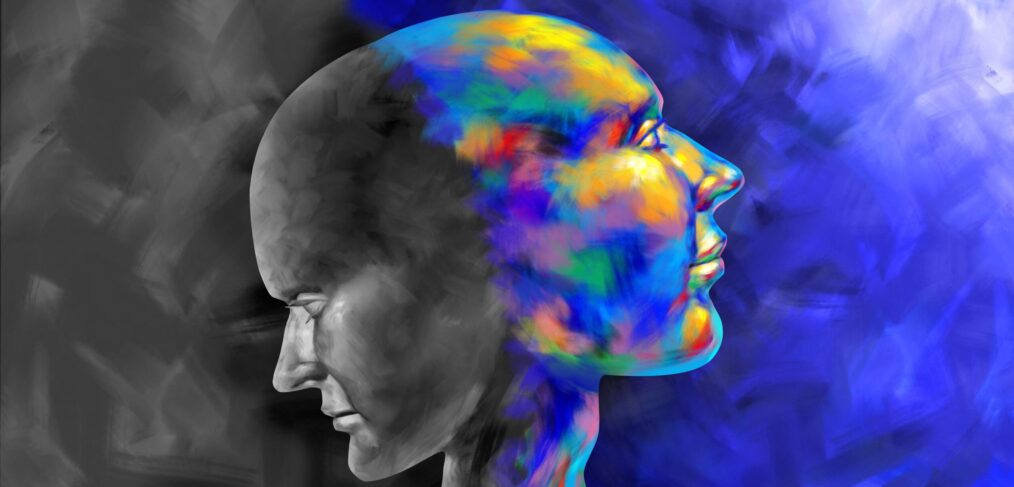
Artwork by Brain Light.
~~~
The work and research I put into this Substack Page are entirely reader-supported. If you enjoy the content I provide and are not ready to become a paid subscriber, you can simply make a one-time donation here at Buy Me a Coffee, if you are inclined. I appreciate all of you who follow this page, and the community we’ve developed.