When is a setback not a disaster? Those of us who have been fortunate enough to build good lives often begin to view certain elements of those lives as essential to our happiness. If we lose one of them, even temporarily, we may feel as though everything has fallen apart. We may believe we have to start over, when all we really need is a course correction. But if we move through life expecting setbacks and prepare for them as much as possible, our disappointment may be softened. We may even discover opportunities we would not have found otherwise. Disappointments will still come, but they may seem less overwhelming when we place them within the larger context of our lives.
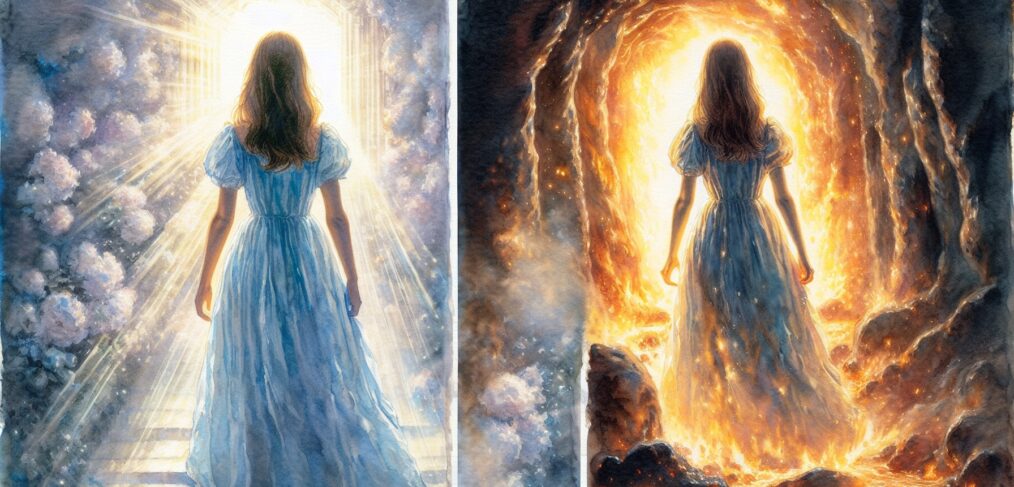
I believe in heaven and hell. They are as good (heaven) and as bad (hell) as you might imagine. But to me, they are not places but part of the human condition. We create our own heaven and/or hell inside of us and in our lives. If you have a positive, meaningful life and have a good perspective on how good your life is, you reside in heaven. If you’re petty, narcissistic, and selfish, and you view your life as one of winning and losing, you are in hell. The good news is that you have a choice of where you reside. There are people who have a hard life full of tragedy and heartache that still reside in heaven because they are able to focus on the good parts of their lives and the people who love them. There are also people who have everything they could possibly want but only see the challenges in their lives. They are living in hell by choice.
I’ve always hated the phrase, “Things happen for a reason.” I much prefer the perspective of opportunity. When people experience a loss, it’s important to process the event as a loss. An event causes pain, and to deny that pain is to deny that part of yourself and inhibit your ability to process the pain. At the same time, a painful event can change the nature of your life. Your existence is based on a certain order of things: your emotional landscape, your connections, your livelihood, and your activities. If one of these is altered or removed, you will move toward a new order of things. This process may be arbitrary, or if you’re intentional, the process can be based on the direction you want to go.
Peace as a concept is underrated. It is often defined by war—specifically, the absence of war. But peace is so much more. Peace is not just the absence of something but a significant presence. Peace doesn’t require the absence of conflict; it requires that it is handled respectfully and open-mindedly. From a personal perspective, peace is not the absence of challenges, heartaches, or stress; it is coming to terms with them. Peace is not a switch—it’s a path you can take.
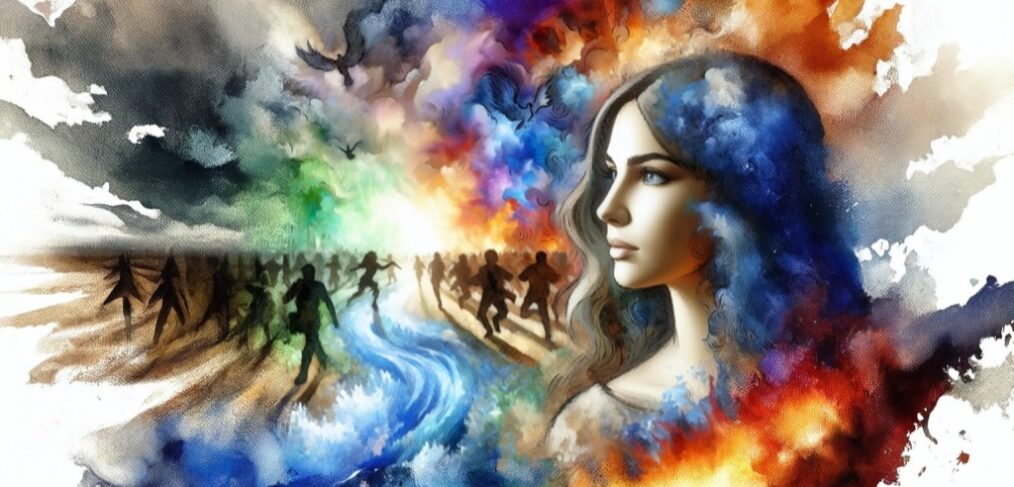
Life is a journey. It contains many twists and turns and can be fraught with challenges, risks, and frustrations. It’s daunting to think about life as one big journey, but that’s okay because it is also made up of a multitude of mini-journeys. Like any significant endeavor, it’s helpful to break it up into manageable pieces. In focusing on the mini-journeys, you may also find nuances you otherwise might not have seen. To reverse the old saying, you might miss the trees for the forest. But changing your mindset and embracing your mini-journeys takes intentionality and open-mindedness. It’s easy to engage in business as usual and lose sight of the opportunities along your path. You have to stop, consider, and build an awareness of how you might proceed with your journey and what mini-journeys that will entail.