Life is a gift, but like all gifts, its value depends on the person receiving it. Most people embrace life to some extent, and others muddle through as best they can. What are the factors related to the joy of living? These are as varied as the people who possess them. Someone’s joy in life might be related to how much energy they have, how fortunate they’ve been, or the opportunities they’ve enjoyed. Enthusiasm for life can be driven by someone’s personality, courage, or curiosity and can be impacted by hardships, tragedies, or life circumstances. But whatever brings about your drive for life, it’s important to be aware of it and what factors in your life influence it.
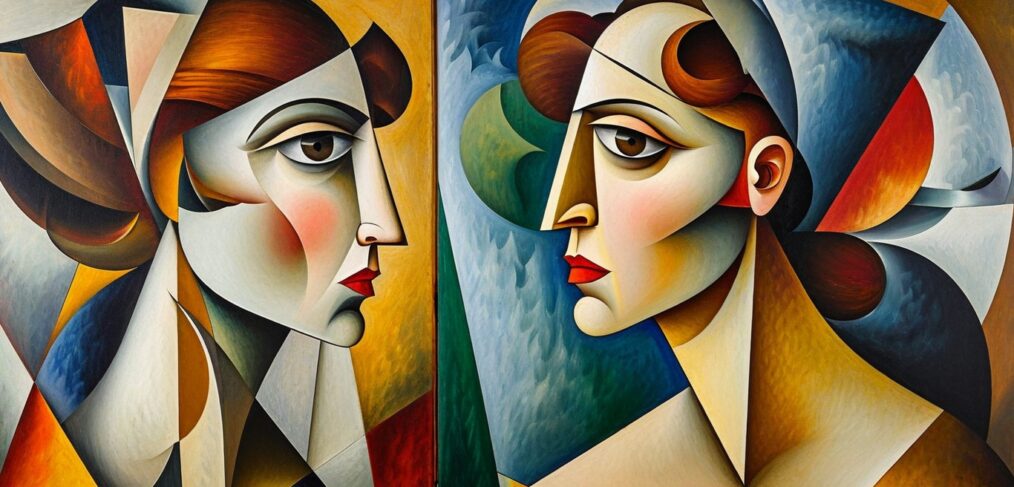
Most people have parts of themselves that are hard to fathom. You might know someone who is friendly and gregarious but needs to have time to themselves. Someone might seem sympathetic and compassionate, and suddenly, you see a cruel or aggressive side. Rarely is someone’s complete makeup painted with the same stroke. That’s what makes people interesting—and hard to predict. It’s very likely the same is true for you. If you look within yourself, you will likely find parts that are incongruous with how you or others think of you. Understanding these aspects of your makeup will give you peace and help you choose a path consistent with those dichotomies.
I’ve always hated the phrase, “Things happen for a reason.” I much prefer the perspective of opportunity. When people experience a loss, it’s important to process the event as a loss. An event causes pain, and to deny that pain is to deny that part of yourself and inhibit your ability to process the pain. At the same time, a painful event can change the nature of your life. Your existence is based on a certain order of things: your emotional landscape, your connections, your livelihood, and your activities. If one of these is altered or removed, you will move toward a new order of things. This process may be arbitrary, or if you’re intentional, the process can be based on the direction you want to go.
When something ends—a relationship, a passion, a job—we often characterize the experience as a failure. It may have had periods where it was magical and unique, but we emphasize that it is over and how painful that is. Instead of focusing on the wonderful experiences and special memories, we only think about the end and the pain and regret that come with it. It’s important to remember that everything will eventually end, and with the proper perspective, you can make the ending as meaningful as the experience itself.
How can you carry on through crushing disappointment and heartache—disappointment that goes through your heart and soul? It’s hard to forge ahead, but even when you see no light at the end of the tunnel, forging ahead is the right thing to do. It is the best way to take back who you are and what you believe in and stand for. Events can give you a fresh perspective and teach you some things about your approach, but they shouldn’t change your values or vision. Working through a loss is the best way to learn about yourself—why you hold to certain values and how your vision came about. It’s when you learn about your gumption and how to tap into it.