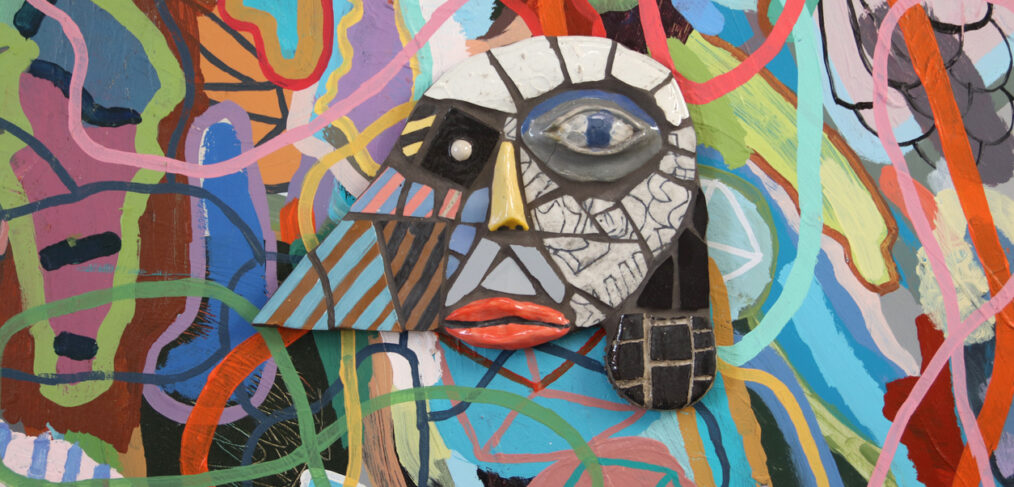
It’s the middle of the night, and you wake up as a different person. You’re still you, but part of you is missing. The part of you that is confident in your life and your path is missing, and what is left is a mess of doubts, fears, and worries, with maybe even a healthy dose of self-hatred. Why is it that there are times in our lives when we are happy, confident, and energetic and other times, maybe even the same day, when all of that seems stripped away, or replaced by its negative twin? It may happen when we can’t sleep in the middle of the night, or when we’re commuting, or when we’re alone for any length of time. It’s important to know why this happens and what we do when it does happen.
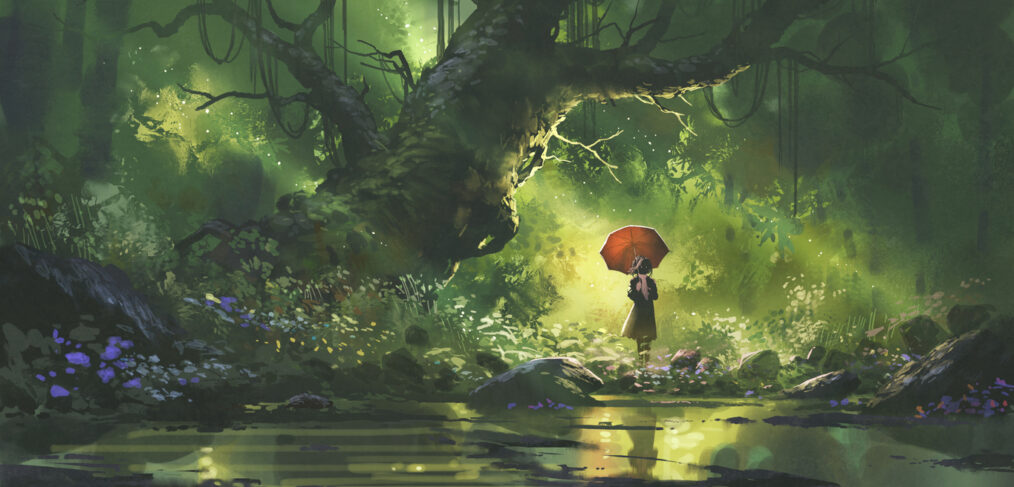
When we are children, so much of what we experience is new and exciting to us. Childlike wonder is a marvelous thing, and no other feeling is quite like it. It is excitement in the very heart of our being. Part of the feeling is due to the newness of childhood experiences—we’ve never previously considered them as a possibility. As we get older and have a range of experiences behind us, our ability to recapture that feeling falls off dramatically. We may still have new experiences, but they have familiar elements—they aren’t completely foreign to us. When we get to this point in our lives, we risk becoming jaded—not even being open to the kind of childlike wonder that we experienced in our youth. Can we keep the ability to find wonder in the world?
I love to travel. I’ve done a good bit of it, but I’d like to travel a lot more. What is it about travel that makes people so excited? It can certainly have its share of headaches and hassles. But when people think about or plan their travels, they’re exuberant. They can’t wait to go, hassles and all. The great thing about being on the road (or in the air, or on the water, or on the rails) is the sense of adventure, of exploring something new or unknown. The same feeling can happen when we stretch our boundaries of our experiences, our outlooks, and our thinking. By exposing ourselves to new experiences and new ideas, we can grow in much the same way that we do when we travel. And growth is part of any meaningful life.
When you’re playing a fretless instrument, such as a fretless bass guitar or a violin, it’s easy to be slightly sharp or flat as the note depends on the exact placement of your fingers. While musicians are careful to play with as much precision as they can, it can be fun to play off the note a bit, whether it be in a vibrato (the rapid pulsing or wavering of a tone), in a glissando (a slide upward and downward between notes), or through an intentional (or unintentional) departure from playing exactly on the note. With a fretted instrument, the fret bars keep your playing to those specific notes for that fret.[1] They are certainly easier to play and provide more precision, but they limit the player to only those specific notes.
I recently bought a fretless bass and am having a great time playing with these dynamics. The ability to play expressively when I’m not limited by frets has given me a newfound sense of freedom and has allowed me to play in a way I’ve never played before. It has also made me think about the continuous range of tones being symbolic of how people live their lives.
I’ve always loved the symbolism of wings. To me, there are many attributes of spreading wings that have analogies in our lives. Starting with making the transition from dependent children to independent people. As children grow up, they spread their wings a little more each time they have a new experience. Unlike birds, however, we humans don’t leave the nest in one dramatic leap of faith, but in many little ones throughout our lives.
Still, wings and flight have always held a special place for many people. Our desire to fly, literally and figuratively, is ingrained in the human experience and highlights our adventurous spirit. Our adventures can be literal forays into the unexplored, or they can be adventures within ourselves as we spread our wings internally and take flight to explore our personal landscapes. But we all need to understand how and when to spread our wings and fly toward the lives we are meant to live.