Childlike Wonder

Awestruck—How to Keep a Sense of Childlike Wonder

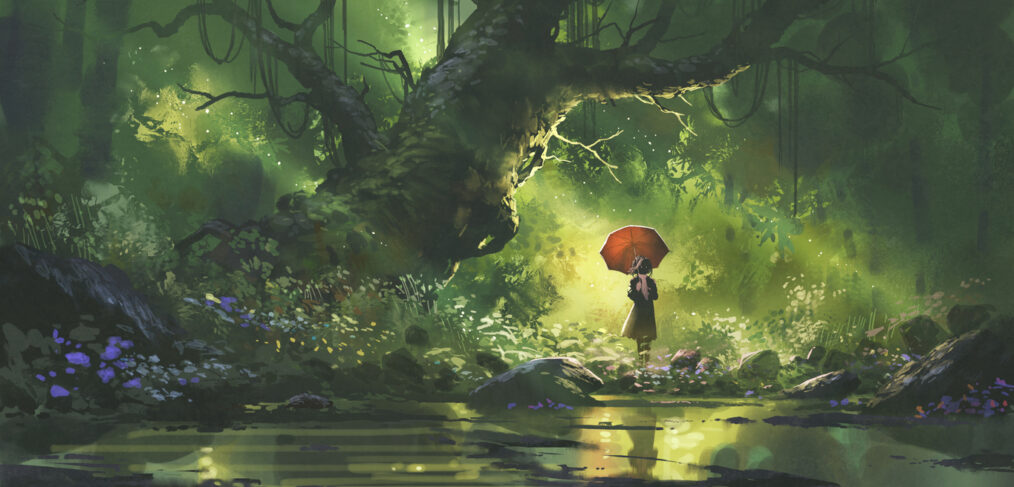
When we are children, so much of what we experience is new and exciting to us. Childlike wonder is a marvelous thing, and no other feeling is quite like it. It is excitement in the very heart of our being. Part of the feeling is due to the newness of childhood experiences—we’ve never previously considered them as a possibility. As we get older and have a range of experiences behind us, our ability to recapture that feeling falls off dramatically. We may still have new experiences, but they have familiar elements—they aren’t completely foreign to us. When we get to this point in our lives, we risk becoming jaded—not even being open to the kind of childlike wonder that we experienced in our youth. Can we keep the ability to find wonder in the world?
Read More
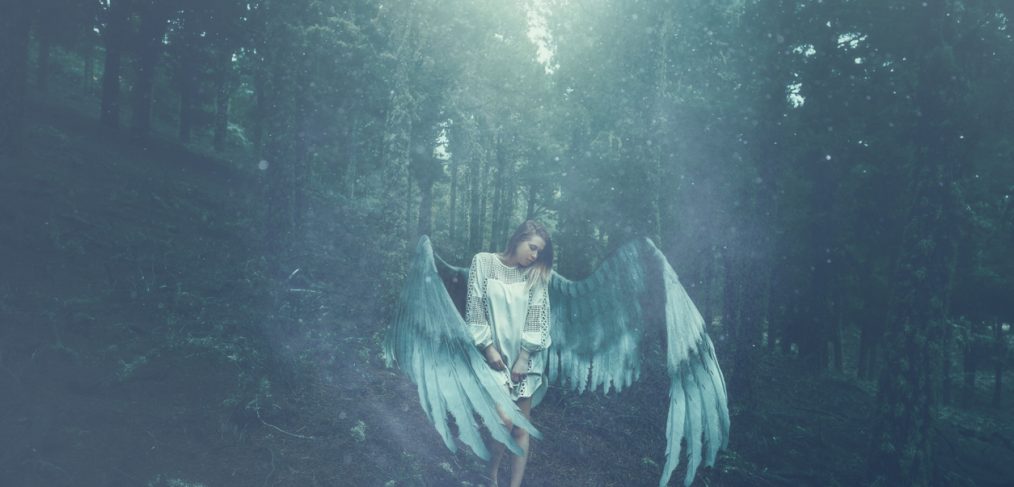
Wings. Taking wing and taking a leap of faith.

Spreading Your Wings—Become Who You’re Meant to Be

I’ve always loved the symbolism of wings. To me, there are many attributes of spreading wings that have analogies in our lives. Starting with making the transition from dependent children to independent people. As children grow up, they spread their wings a little more each time they have a new experience. Unlike birds, however, we humans don’t leave the nest in one dramatic leap of faith, but in many little ones throughout our lives.

Still, wings and flight have always held a special place for many people. Our desire to fly, literally and figuratively, is ingrained in the human experience and highlights our adventurous spirit. Our adventures can be literal forays into the unexplored, or they can be adventures within ourselves as we spread our wings internally and take flight to explore our personal landscapes. But we all need to understand how and when to spread our wings and fly toward the lives we are meant to live.

Read More
Drinks. A couple having a cozy cup of tea by the fire.

The Symbolism of Drinks—Beveraging My Way through the Day

Many people measure their lives by their mealtimes. Breakfast is the kickoff, lunch is the major break in the day, and dinner is a daily debrief and a closing out. This can be a good way to psychologically parse out the day and mentally check off the phases of our days as they go by. But for me, it’s more about the drinks and mainly a function of alcohol and caffeine. Coffee is a key psychological ingredient for me. It kicks off the day, is medicinal, and marks a transition. Water and other hydrating drinks follow and serve to wash down lunch. Tea in the afternoon marks the transition to the final phase of the working day. Last are the evening cocktail, wine with dinner, and a nightcap, during which I officially close out the day and my time is my own (more on that later). Though it is not conscious or intentional on my part, the drinking phases of my day are a critical aspect of how my days are structured and measured. This has good aspects as well as harmful ones.

Read More
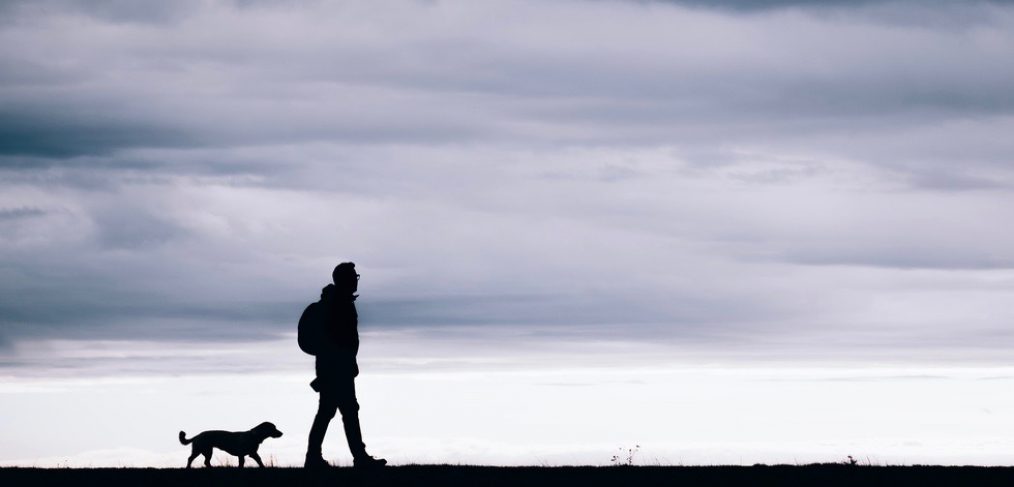
Uncertainty. A lonely man loosing the way on a foggy day.

What the Future Will Bring—Learning to Live with Uncertainty

What’s going to happen?

When we don’t know the answer to this question, we can feel anxious or worried. We like to know what’s around the bend and be prepared for it. Circumstances can be especially difficult when there is a higher chance of something scary or tragic happening—like when we are faced with a serious illness, either in ourselves or in loved ones. But we can prepare ourselves for uncertainty and develop practices that help us cope. 

It can be helpful to remind ourselves that nothing is certain. We never truly know the outcome of any circumstances or events, and the best thing we can do is develop a comfort with uncertainty and habits that calm us down and provide perspective.

Read More

Weather

When people talk about the weather, it’s often considered small talk. Something to talk about when you can’t think of anything else. When I talk about the weather, it’s because I’m excited about it. I enjoy talking about it. For many of us, weather is a significant part of our lives and our emotions.

People have different relationships to the weather. For some, the weather is directly related to their livelihoods; they pay attention to it religiously, but for purely practical reasons. They need rain for their crops to grow. They need calm weather to fish. For others, certain weather conditions are necessary for something they’re passionate about, and when they get those conditions, they love that weather because it gives them the opportunity to do what they love. Weather can bring back memories—memories of relationships, memories of experiences. For some, their relationship to the weather is purely emotional. Certain weather conditions create a direct emotional response.

Read More